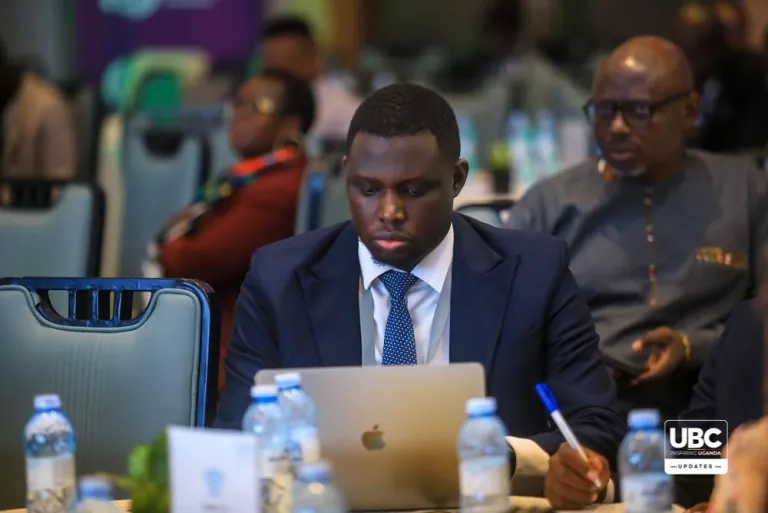
As we concluded the Africa Broadcast Convention in East Africa, I shared a few parting thoughts during our Leaders’ Panel on “Rebalancing Africa’s Narrative: How Technology Is Shaping African Content Discovery, Delivery And Value Creation.” These reflections weren’t just a summary of the session—but a call to action for how Africa can reposition itself from tech consumerism to tech leadership.
The Urgency of Tech-Led Policy Reforms
Africa must rethink the fundamentals of its microeconomic environment to attract investment and innovation from big technology firms. One of the biggest levers? Tax policy.
- Ireland has become a tech magnet by maintaining a 12.5% corporate tax rate, alongside incentives like the Knowledge Development Box (KDB) which offers a 6.25% effective tax rate on income from IP and generous R&D credits.
- Singapore is another benchmark: a 17% corporate tax rate, no capital gains tax, and targeted incentives in fintech, banking, and innovation. Strategic, not accidental.
- Dubai built entire tech cities like Dubai Internet City and Dubai Silicon Oasis, offering 50-year tax holidays, 0% personal income tax, and 100% foreign ownership. That’s how they attracted Google, Oracle, and Microsoft.
- In the United States, states like Delaware offer favorable corporate law environments with tax incentives that attract startups and major tech incorporations. Washington State (Seattle) has long been the home of Amazon and Microsoft, supported by business-friendly infrastructure, no personal income tax, and a vibrant innovation ecosystem.
Contrast that with many African countries still taxing corporations at 30–35%, offering few innovation incentives, and operating without coherent digital strategies. That gap must close.
Create With Confidence: IP Protection and Data Sovereignty
If Africa wants to be a producer of innovation, it must tackle one uncomfortable truth: our IP protection enforcement is weak. Global tech players won’t invest where their proprietary technology or creative assets aren’t safeguarded.
Equally vital is data sovereignty. The African Union and national governments must invest in frameworks that keep African data in Africa, enable cross-border innovation, and prioritize cloud infrastructure and AI training labs. Without that, we remain data-rich but insight-poor.
Curriculum Overhaul: Building AI-Ready Talent
We can’t catch up by simply adopting tech; we must produce the people who will build it. This starts in school.
I believe Artificial Intelligence and prompt engineering must be taught as part of Africa’s curriculum from an early stage. My own tech journey began at 8 years old on Microsoft Excel. That head start changed everything. It’s time we offered that same advantage to the next generation.
We must build a well-rounded, AI-ready workforce with capacity in coding, machine learning, ethics, and language tech—developed from within our continent, with cultural context embedded.
Final Word: Africa Must Dictate, Not Follow
The global tech race is no longer about who has the most data. It’s about who trains their models, who governs the standards, and who owns the platforms.
Africa cannot afford to sit at the table as a mere content consumer or testing ground for technologies built elsewhere. We must build our own story, our own stack, our own systems.
Policy, education, IP protection, startup empowerment, and tax reform—these aren’t isolated strategies. They’re the ecosystem we need to reclaim our digital future.
These were my parting shots. Not consensus. But conviction.